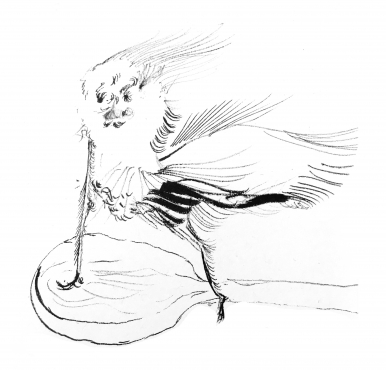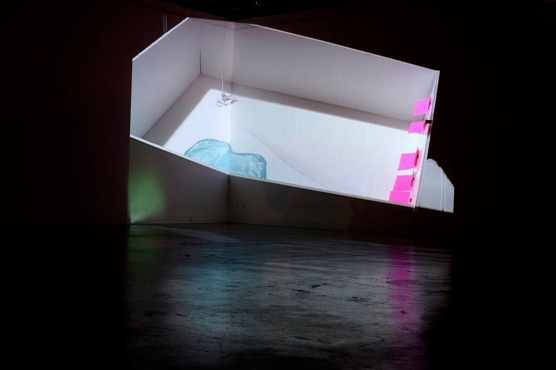
Rohini Kapil is interested in new forms of painting constructed through the framework of an architectural lens.

Studio Artists
Wysing has a number of studios at its rural site, including a unique live/work studio, and artists are able to occupy studios for up to five years.
Rohini Kapil is interested in new forms of painting constructed through the framework of an architectural lens.
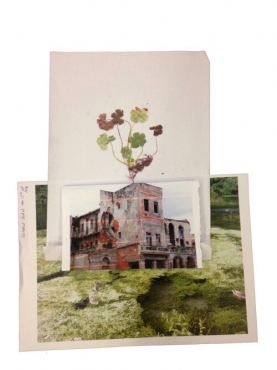
Emanuela Cusin is a conceptual artist working with different mediums, methodologies and themes. Her practice is currently focused on the concept of uprootedness, materiality and meaning and themes of movement and inertia, vulnerability and resistance.
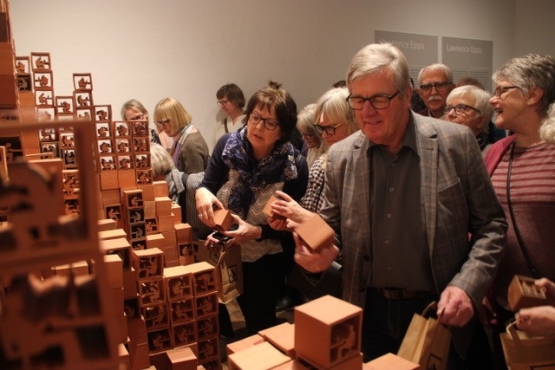
Lawrence Epps is an artist exploring the collective attribution of value to objects processes and people.
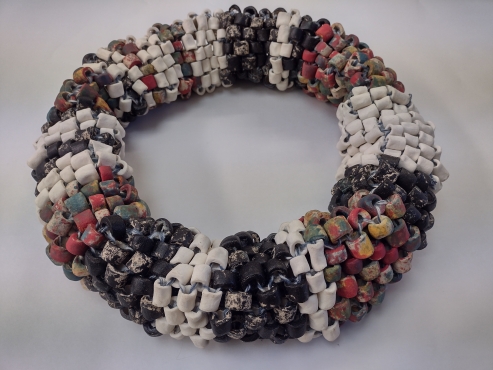
Isobel Meredith-Hardy's ceramics practice focuses on different processes of making from hand-building to slip-casting along the lines of merging techniques of weaving and the traditional methods of making ceramics, weaving clay together to make sculptural forms which can also be functional as well as being objects of art.
_247_370_s.png)
Robert Foster-Jones’ work explores the role of the artist as a conduit for revealing hidden forms of knowledge. He is interested in different religious practices and spiritual beliefs, using influences from his research to create installation, sculpture, text and performance.
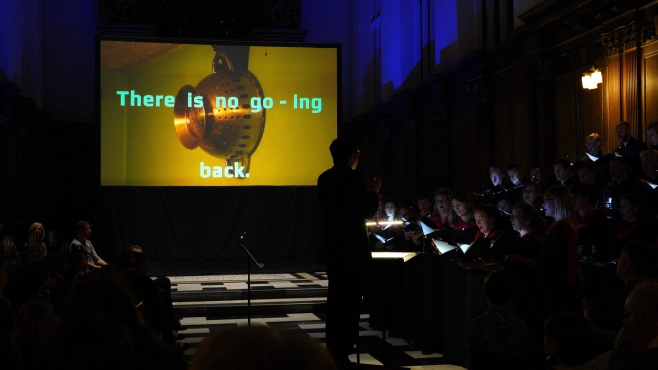
Bettina Furnée’s visual art practice is rooted in notions of site and uses found or original language as primary material. The work ranges from text and moving image to complex environmental installations and public realm commissions.
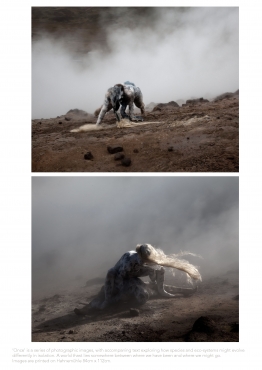
Beverley Carruthers is a multimedia artist exploring transitional moments in women’s lives and how they are navigated through ritual and performance.
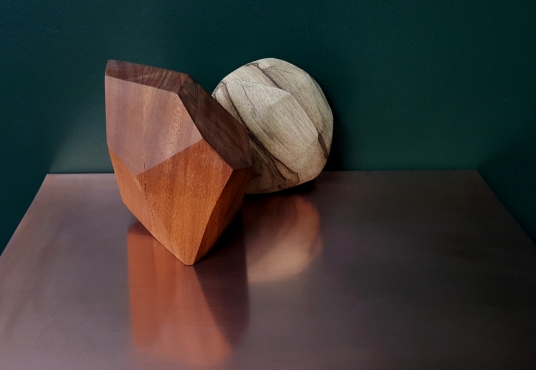
CJ Mahony's practice explores inner experience, kinship and queerness. It operates through cycles of intuition, iteration and integration. The work takes form through objects, installations, works on paper and speculative fiction.
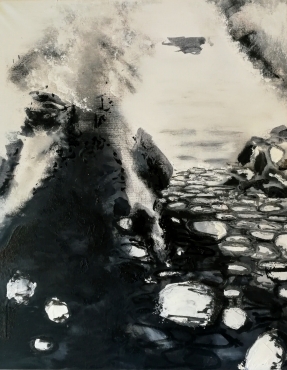
Working with paint, found objects, installation and digital media, Georgina Manning collects and document objects, marks and sounds that contain memories of the past.
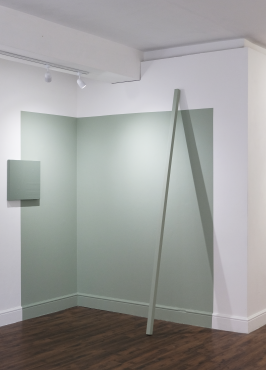
Aaron Ossia reinterprets space and movement in space, with lines, geometrical shapes and colour.
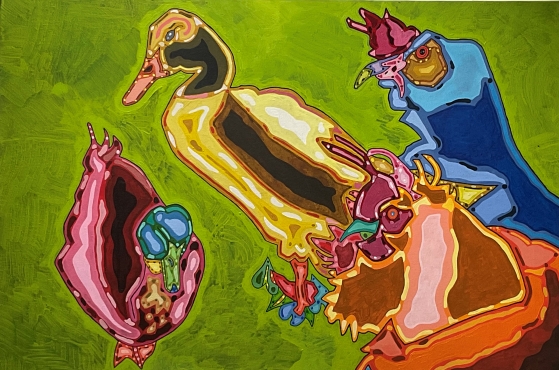
Josh McCormack is an artist specialising in drawing, painting and drawing animals, birds and landscapes and creating illustrations by hand and photoshop.
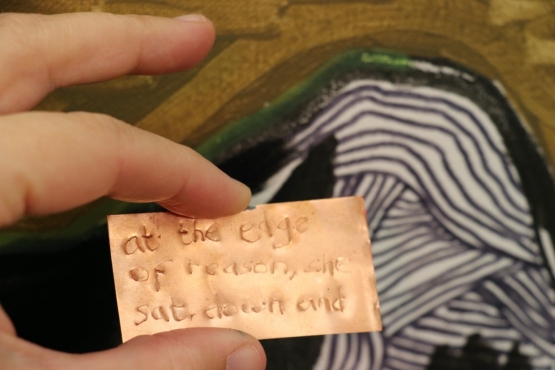
Sophie Hill works across a range of disciplines as part of an expanded painting practice.
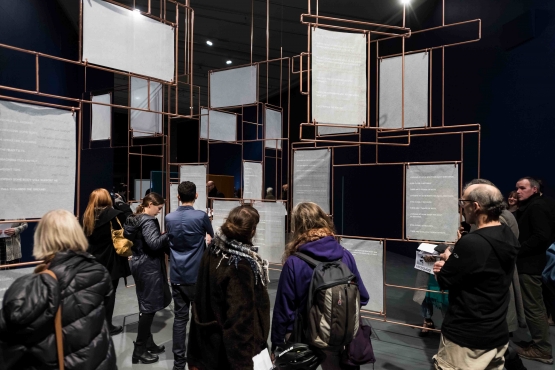
Emma Smith has a social practice that is both research and production based and responds to site-specific issues. Her work investigates human relationship and in particular the ways in which we are connected without realising: the intimate, the invisible, the transient, the subconscious, and the remote.
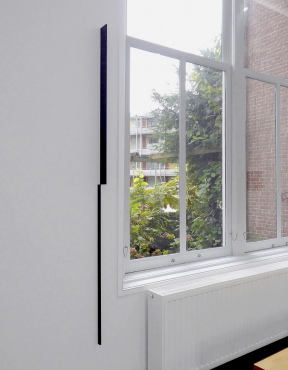
Shawn uses imagery associated with human activity, rather than the natural environment, to make work which communicates in a very direct and, as he sees it, very ‘human’ way.
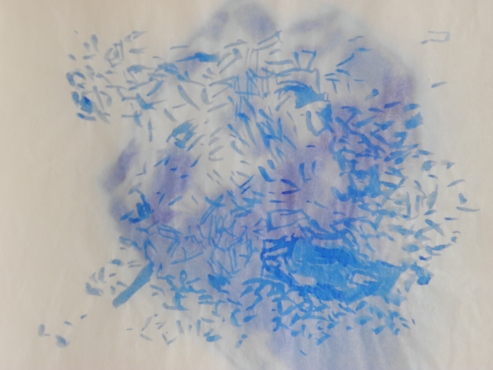
Caroline Wendling's work explores ideas of place and belonging through drawing, print and three-dimensional constructions. She attempts to give material form to the complex interconnectedness of our mental landscapes and the actual space we inhabit. Through this exploration she hopes to link memories with future aspirations and, somewhere in between, find 'home'.
We use cookies to enhance your experience whilst using our site and anonymously collect and analyse data on website usage. Find out more.